 France
 The Story
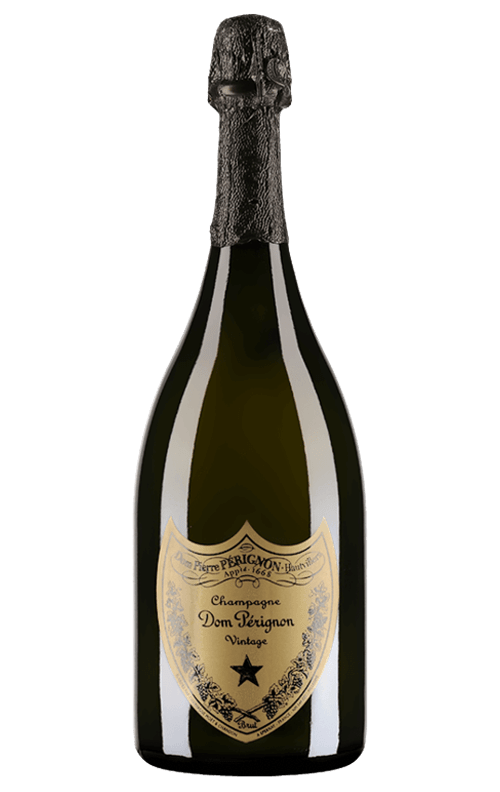
 Some great Champagnes are born from near-perfect growing seasons. Dom Pérignon Vintage 2017 tells a different story: one of adversity, patience and exceptional selection.
The year began with damaging spring frosts that reduced the potential harvest. Hot, dry conditions then accelerated ripening, before late-August rainfall complicated the final stages of the growing season. The challenge was not simply to harvest ripe grapes, but to identify fruit with the balance and integrity worthy of a Dom Pérignon vintage.
What emerged was a Champagne of remarkable contrast: generous fruit and richness held in tension by freshness, precision and minerality. The 2017 release demonstrates how an exacting selection process can transform a difficult harvest into a distinctive expression of the year.
 Meet the Producer

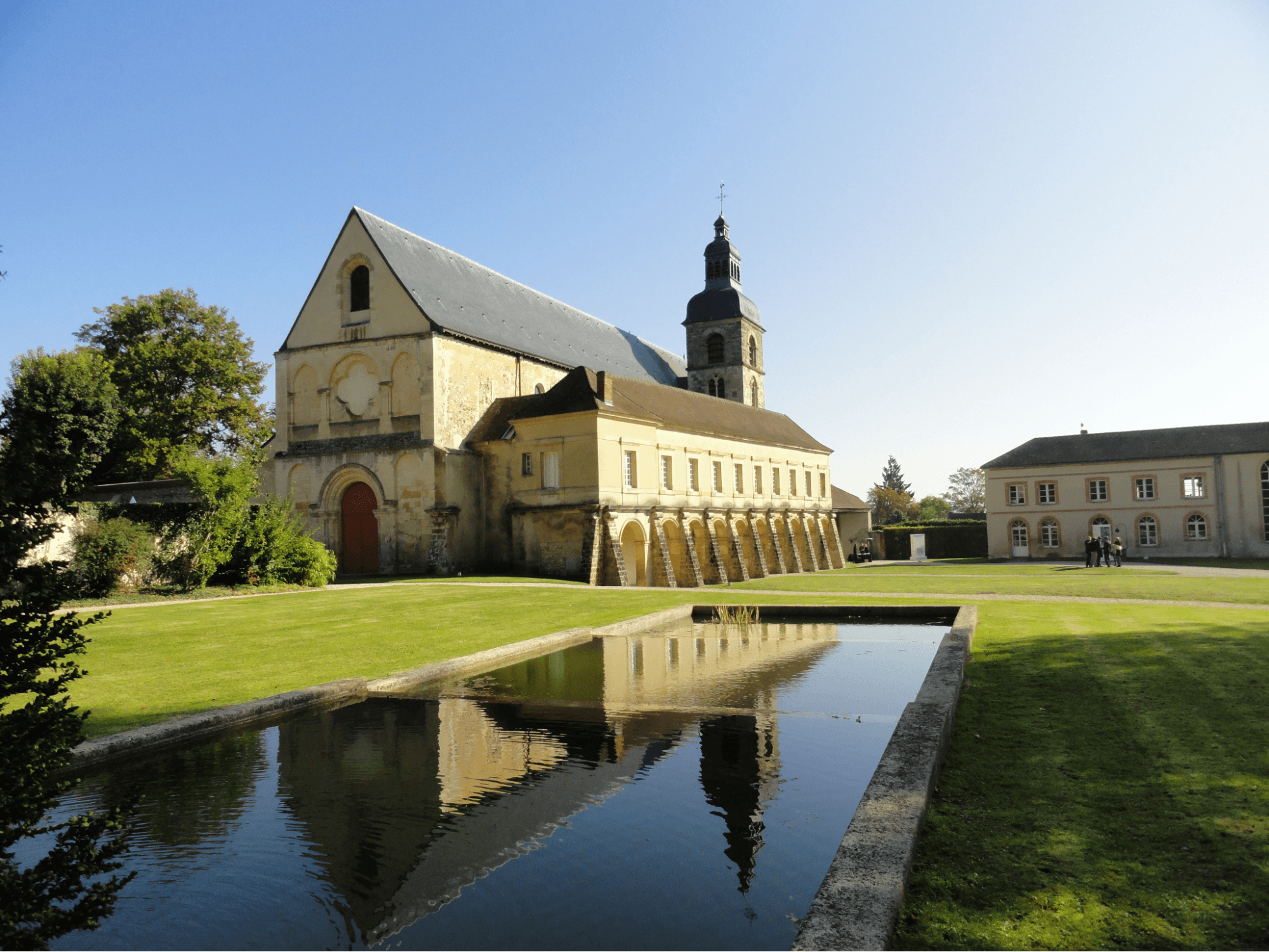
The story of Dom Pérignon reaches back to 1668, when the Benedictine monk Dom Pierre Pérignon became procurator of the Abbey of Hautvillers. His ambition was extraordinary for his time: to make the finest wine possible through meticulous vineyard knowledge, grape selection and blending.
Although popular legend credits him with inventing Champagne’s bubbles, his genuine contribution lies in the pursuit of winemaking excellence. The modern house bearing his name continues that philosophy through one defining commitment: Dom Pérignon produces vintage Champagne exclusively.
Every release must express a single harvest. When the conditions do not permit the house to achieve its vision, a vintage need not be declared.
Today, cellar master Vincent Chaperon carries that philosophy forward, seeking harmony between Chardonnay and Pinot Noir while allowing the character of each year to remain unmistakable.
Time is essential to the process. Dom Pérignon spends at least eight years developing its vintage Champagne, allowing extended maturation on the lees to build texture, complexity and depth.
 Place & Terroir

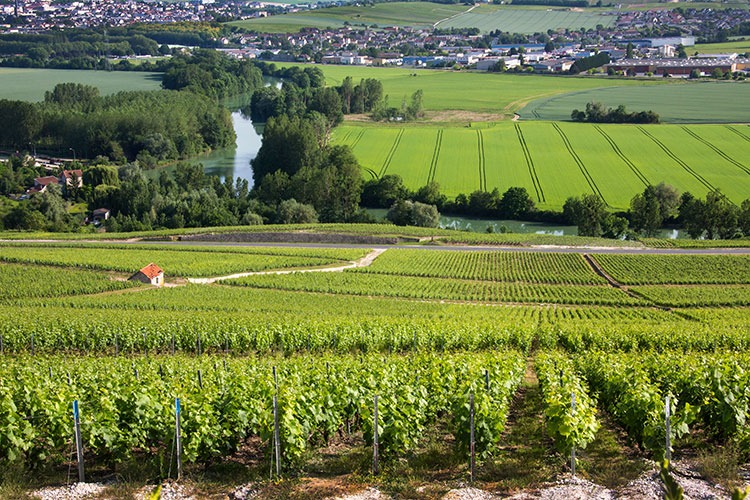
Champagne’s northern French landscape is fundamental to Dom Pérignon’s identity. Its chalk-rich soils, cool climate and diverse vineyard exposures provide the foundation for wines capable of combining ripeness with exceptional freshness.
Chardonnay contributes elegance, precision and citrus-driven energy, while Pinot Noir brings structure, depth and breadth. Rather than treating these grapes as separate expressions, Dom Pérignon blends them into a single interpretation of the vintage.
The 2017 growing season made vineyard selection especially consequential. Spring frost, summer drought and late-season rain created considerable variation in fruit quality. Only grapes meeting the house’s standards could contribute to the final assemblage.
The result is a wine shaped as much by the decisions made in the vineyard and cellar as by the natural conditions of the year.
 In the Glass
 Green apple, lemon zest, white peach and apricot, layered with toasted hazelnut, almond, brioche and subtle cocoa.
Rich yet remarkably controlled, with fine, creamy bubbles, concentrated orchard fruit, lively citrus tension and a persistent mineral finish.
 At the Table
 Dom Pérignon 2017 deserves more than a ceremonial toast. Its combination of richness, freshness and savoury complexity makes it an exceptional partner for fine cuisine.
Consider seared scallops with brown butter, lobster with a delicate cream sauce, turbot, roast poultry or dishes featuring mushrooms and toasted nuts. The wine’s mineral tension can balance richness, while its mature aromatic character complements layered, savoury flavours.
Serving suggestion: Approximately 10–12°C in a generous tulip-shaped Champagne glass or a fine white-wine glass. Allow the wine a little time in the glass to reveal its complexity.
 Worth Knowing
 Dom Pérignon does not make a non-vintage Champagne. Each bottle belongs to a particular year, and the house may choose not to release a vintage when its standards cannot be met.
That makes 2017 especially compelling. The difficult growing season demanded unusually rigorous selection, yet the finished wine combines generous fruit with the precision and longevity associated with the house.
For collectors, provenance and storage matter. Keep bottles in a consistently cool, dark environment, protected from heat and vibration. Properly stored bottles can continue developing additional complexity with age, although their evolution will depend on storage conditions and individual preference.